Nurse Mode All Day: A Design That Speaks with Quiet Confidence
When a new embroidery design lands in my library, I look at it with the eyes of a maker. I’m not just seeing a graphic; I’m visualizing stitches, thread choices, and the final product hanging on a rack or wrapped as a gift. The Nurse Mode All Day design immediately struck me as having that kind of practical, heartfelt potential. It’s not a loud, flashy statement; it’s a badge of quiet dedication, and that’s precisely where its strength lies.
The First Impression: Warm, Clear, and Professionally Playful
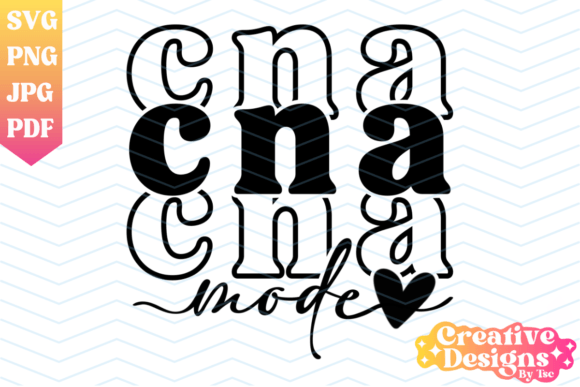
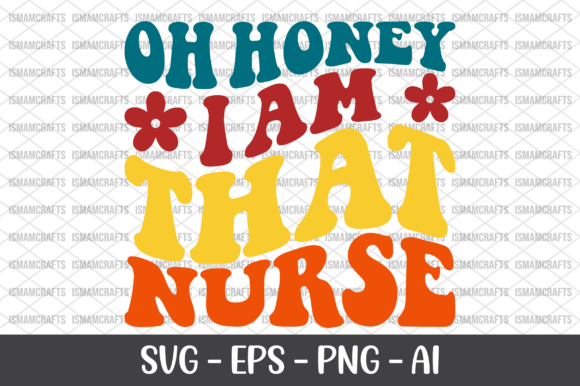
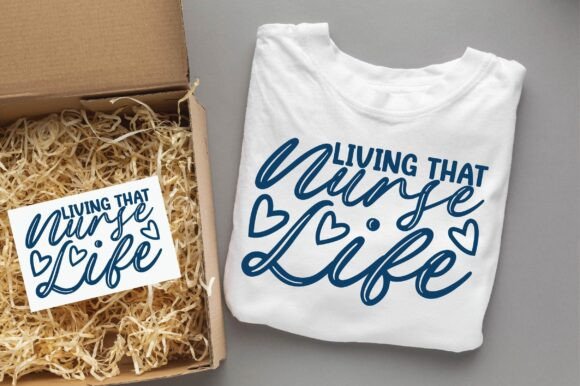
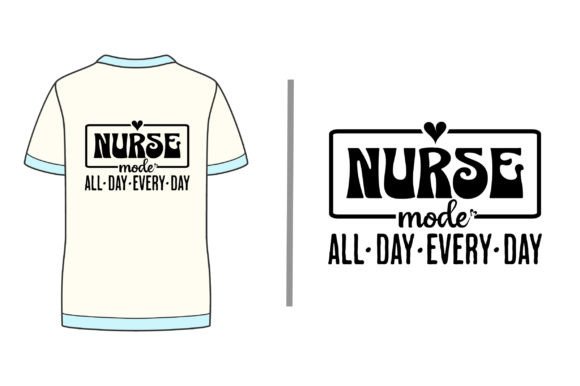
Opening the file, the mood is instantly clear. This is a design meant to celebrate, to empathize, to show solidarity. The layout feels balanced and thoughtfully composed, with a personality that’s both professional and a touch playful. The level of detail appears manageable for embroidery—there’s enough visual interest to make a finished product feel special, but nothing so excessively intricate that it would become a stitching nightmare on common fabrics. It naturally belongs to projects where the message is the main event: custom apparel, gifts of recognition, and items for personal use or small shop merchandise that carry a meaning deeper than just decoration.
A Real-Life Scenario: The Embroidered Tote Bag for a Nursing School Graduate
Let’s picture a real project. I’m considering using Nurse Mode All Day for a custom tote bag, a gift for a friend graduating from nursing school. I’m thinking about the final look: this design, stitched in a crisp, professional color palette on a sturdy canvas bag. Would it look cluttered? Would the text remain legible after stitching? The design’s layout suggests it would translate well. The elements seem to have enough space between them to allow for clean satin stitches or fill stitches without bleeding into each other. The finished tote would feel both useful and deeply personal—not just a bag, but a token of pride. That’s the kind of value this design can add to a handmade product.
Where Nurse Mode All Day Finds Its Home
This embroidery design has a wonderfully broad application range, which is a great asset for craft businesses and hobbyists alike. Beyond t-shirts, it feels perfectly suited for sweatshirt embroidery, offering a comforting message on a comforting garment. On a baby onesie for a nurse mom, it becomes a sweet, personal touch. As an embroidered patch, it could be applied to caps, aprons, or even pillow covers for a nurse’s break room. For small shop merchandise, it could elevate simple kitchen towels or blanket throws into thoughtful gifts for healthcare workers. In a boutique setting, items adorned with this design would convey a sense of curated, meaningful support rather than generic merchandise.
The fact that the source files include multiple formats like SVG and PDF is a significant practical advantage. It means I can not only use it for machine embroidery, but also easily create printable mockups for my Etsy listings or use it as a clean graphic for other digital product previews. This versatility supports both the physical embroidery project and the commercial presentation of the finished product.
Spots Where You Might Want to Proceed with Caution
While its application is broad, a practical review requires noting where any design needs careful consideration. For Nurse Mode All Day, I would be mindful on very small hoop sizes. If any lettering is particularly fine, it might lose clarity on a tiny scale. Similarly, on highly textured or very stretchy fabric, the clean message could become distorted if stabilizer choice isn’t prioritized.
Embroidering on dark fabric would require a thoughtful thread color strategy to maintain contrast and visual pop. And for items destined for frequent, heavy washing—like workwear aprons—I’d pay extra attention to stitch density to ensure the design holds up over time. These aren’t flaws of the design itself, but simply the realistic factors every embroidery designer weighs when matching a file to a project.
The Impact on Your Craft and Your Customer
Using a design like this effectively does more than just decorate an item; it affects the entire perception of your work. When stitched well, its clear, confident aesthetic enhances stitching clarity and overall visual appeal. That directly boosts the perceived value of your handmade product. For a customer, whether they’re buying a gift or an item for themselves, it builds trust—the item feels intentional and well-made.
For creative entrepreneurs and Etsy sellers, such a design can strengthen brand consistency if your shop focuses on supportive, celebratory, or profession-themed goods. Its inherent giftability and recognition factor can drive buyer engagement, as customers instantly understand the sentiment it represents. It moves beyond being just a graphic; it becomes a communication tool, which is a powerful asset in commercial embroidery and personalized gifts.
Essential Designer Notes Before You Hoop the Fabric
Before I run this embroidery file on a final project, my personal process involves a few key steps. I always test the design on scrap fabric first, ideally a similar weight and texture to my target item. This reveals how the details translate, the required stitch density, and how many thread colors I might need.
I check thread color contrast meticulously, especially if moving between light and dark fabric backgrounds. Using proper stabilizer is non-negotiable for maintaining that clean look. I also inspect any small details in the design file to ensure my machine can render them sharply at my chosen size.
A crucial, often overlooked step is confirming the licensing. The product description states the works are unique and creative, but as a professional, I must verify the terms before selling any finished items or using it in commercial design assets. Can I use it for client projects? Can I sell the physical embroidered items? I never proceed without that clarity. It protects my business and respects the designer’s work.
A Design Ready for Real-World Stitching
Nurse Mode All Day presents itself as a ready-to-work design asset. Its mood is appropriately appreciative, its layout seems engineered for clean embroidery translation, and its potential applications align perfectly with markets that value meaningful customization. From a custom apparel piece for a nurse to a baby embroidery project celebrating a parent, or a holiday embroidery gift for a healthcare worker, it fills a specific, heartfelt niche.
The final judgment, from my point of view as someone who turns digital files into physical stitches, is positive. It feels like a design that, with proper embroidery preparation and project matching, will result in a professional, emotionally resonant finished product that both the maker and the end-user will be proud of. That’s the ultimate goal for any embroidery project, and this design appears to be a capable tool to achieve it.