Super Nurse Super Tired: A Designer's Practical Review
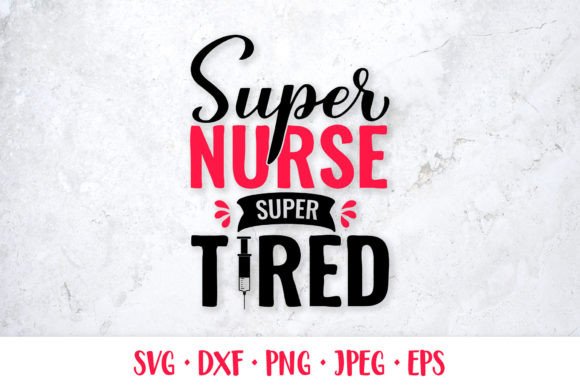
When a design file like "Super Nurse Super Tired" lands in my project folder, my first instinct is to look beyond the cute name and assess its potential for real embroidery work. This one, a humorous nurse quote packaged as a vector file, immediately creates a mood of relatable, weary professionalism. It’s not just a graphic; it’s a conversation starter. The layout feels balanced, with a clear thematic personality—that of a hero who’s just had a very long shift. For embroidery, this translates into a design that naturally belongs on gifts, custom apparel, and merchandise aimed at the healthcare community or anyone who appreciates their hustle.
The First Stitch: Where This Design Finds Its Home
Picture a scenario: a client requests a custom embroidered tote bag as a thank-you gift for a nurse who just finished a grueling residency. "Super Nurse Super Tired" isn't just appropriate; it’s perfect. The sentiment is specific, empathetic, and visually engaging. In my experience, this design would shine on a mid-weight canvas tote, where the embroidery sits prominently and becomes a feature of the bag itself. But its home isn't limited to totes. I instinctively envision it on the left chest of a cozy sweatshirt, the center of a durable apron for a nursing student, or even as a small, subtle patch on a cap. The “super tired” message carries a universal, gentle humor that makes it ideal for personalized gifts, boutique products, and small shop merchandise.
Performance on Fabric: A Real-Life Embroidery Perspective
Moving from a digital SVG to a physical stitch requires practical judgment. For this nurse quote design, the key considerations are clarity and contrast. On light fabric backgrounds—think cream-colored tea towels, white pillow covers, or pastel baby items for nurse parents—the design would pop beautifully. The lettering and any accompanying illustrative elements need to be stitched with enough density to read clearly but not so dense that they distort on stretchy fabrics like t-shirts. I’d recommend a medium satin stitch for bold outlines and a careful fill stitch for any solid areas, ensuring the finished product looks crisp on custom apparel.
On darker fabrics, like navy sweatshirts or black caps, the success hinges entirely on thread color contrast. A bright, clean white or a vibrant contrasting color palette would be essential to maintain the design's visual appeal and ensure the “super tired” message isn't lost. This is a design that builds customer trust through its handmade presentation; a blurry or faint stitch would undermine that.
Careful Application: Where to Proceed with Caution
While versatile, "Super Nurse Super Tired" requires careful planning in certain embroidery situations. The most critical factor is scale. If the design includes tiny lettering or detailed corners, attempting it in a very small hoop size on a textured fabric like a knit blanket could result in lost detail. Similarly, on thin or highly stretchy fabric, a high stitch density in certain areas might lead to puckering, affecting both the look and durability of items like lightweight t-shirts or baby clothes that need frequent washing.
Curved surfaces like caps also demand attention. The design’s layout must be adaptable to the curvature without distorting the message. As an embroidery designer, I’d always test this on scrap fabric of the same type first, checking stitch density and ensuring the stabilizer is appropriate. For commercial embroidery projects or products meant for a craft business, this pre-testing is non-negotiable for professionalism and brand consistency.
The Impact on Your Craft Business or Gift Project
Using this design isn't just about making an item; it's about creating an experience. On a finished product, its relatable humor enhances giftability and buyer engagement. For an Etsy seller or digital product seller offering handmade nurse gifts, it provides a ready-made, emotionally resonant asset. It can elevate a simple kitchen towel into a thoughtful holiday gift or transform a basic sweatshirt into sought-after small shop merchandise. The design’s recognition factor—that shared understanding of being "super tired"—adds intrinsic value.
For commercial use, such as creating embroidered patches for a hospital’s gift shop or branded items for a nursing conference, its appeal is straightforward and professional. It speaks directly to a niche audience with authenticity, which is a powerful tool for creative entrepreneurs.
Practical Designer Notes Before You Hoop the Fabric
Before running this embroidery file on your machine, a few steps are crucial. First, regardless of the provided file formats like SVG or DXF, always inspect the small details in your software. Does the design separate cleanly for different stitch types? Second, test it in black and white mockups to judge its form without color distraction. This helps plan thread color schemes for both light and dark fabric backgrounds.
Always confirm the licensing before selling finished items or digital products derived from the design. The description notes it’s for making your own items, but clarity on commercial use is essential for craft business owners and apparel decorators. Finally, consider the product range. This design is marketed for t-shirts, mugs, and decals, but for embroidery, focus on where stitch texture adds value: tote bags, aprons, pillow covers, and durable apparel where the handmade touch is a premium feature.
In essence, "Super Nurse Super Tired" is more than a graphic in the Illustrations category. As a piece of digital embroidery file, it’s a practical, mood-setting asset. With thoughtful application on the right products, it can yield embroidery projects that resonate deeply, whether as a personalized gift or as a staple in your collection of craft business design assets.