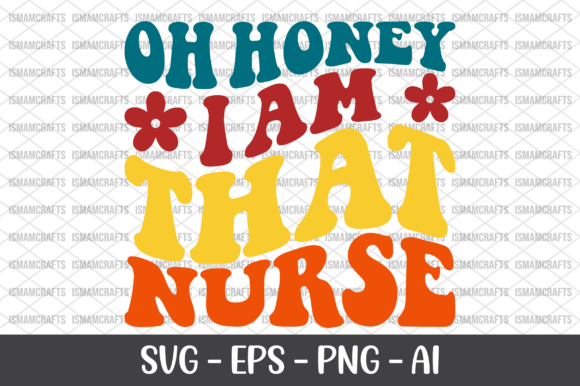
Oh Honey I Am That Nurse: A Retro Design Review
When a new design lands in my digital library, I don't just look at it on screen. I immediately start imagining how it will look stitched out, how the thread will flow, and what kind of project it would bring to life. That’s the exact process I went through with Oh Honey I Am That Nurse Retro SVG. This isn't just another graphic; it's a character piece with a distinct, playful personality that begs to be translated into thread.
The Immediate Charm of a Retro Nurse Character
My first impression was one of friendly, confident nostalgia. The design has that classic, almost cartoonish retro vibe—clean lines, a bold central figure, and a slogan that speaks with a wink. The layout is straightforward: the nurse character is the star, with the text integrated in a way that feels balanced, not just tacked on. This isn't a hyper-detailed, realistic portrait; it's a stylized graphic. That’s actually a huge advantage for embroidery. The detail level is just right—it promises good stitch definition without becoming a dense, time-consuming nightmare. The visual personality is cheerful and proud, which tells me it’s perfect for personalized gifts or celebratory items.
Where This Embroidery Design Naturally Belongs
I picture this design on a cozy, fleece-backed sweatshirt for a nurse finishing a tough shift, or as a standout feature on a canvas tote bag for a nursing student. The retro aesthetic lends itself wonderfully to home decor, too. Imagine it embroidered on a tea towel in a healthcare worker’s kitchen, or as a sweet, small motif on a baby blanket for a new mom in the profession. It feels gift-ready. For craft businesses, this design could anchor a whole line of boutique merchandise—think embroidered patches for scrub caps, aprons with a bit of humor, or even pillow covers for a nurse’s lounge area. The mood is lighthearted and affirming, which customers responding to handmade products really connect with.
Thinking Through a Real Project: The Embroidered Tote
Let’s walk through a real scenario. A client requests a custom tote bag for a nurse colleague’s birthday. I pull up Oh Honey I Am That Nurse Retro SVG. The clean lines mean I can scale it appropriately for the bag’s panel without losing the integrity of the small details, like the nurse’s cap or the lettering curves. I’d likely use a smooth, mid-weight cotton or canvas for the bag to ensure the stitches sit well. The design’s personality would make the tote feel unique and personal, far more special than a generic store-bought gift. In my mind, I’m already selecting thread colors—maybe a classic white and red scheme for the retro feel, or softer pastels for a different twist. The finished product would have that handmade presentation that builds customer trust and adds tangible value.
Performance in Stitching: Practical Considerations
For successful machine embroidery, the format package provided—including AI, SVG, EPS, and P files—is crucial for flexibility in scaling and editing before sending to the embroidery machine. The design’s style suggests it would work well with a combination of satin stitches for the lettering and fill stitches for the larger areas of the figure, maintaining clarity. However, its success depends entirely on practical preparation.
Where you need to be careful is with scale and fabric choice. On very small hoop sizes, the finer details might become too tight and prone to thread breaks. Stitching it on highly textured fabrics, like a loose-knit sweater, could blur the clean edges. Thin or stretchy fabrics will require careful stabilizer choice to prevent puckering. And while the design looks bold, stitching it on dark fabric requires thoughtful thread color contrast planning—a white or light topstitch might be essential for the same visual pop you see on a screen mockup.
Navigating Tricky Surfaces and Commercial Use
Applying this to curved surfaces like caps requires testing the scaling to ensure the design isn’t distorted at the crown. The decorative accents, like the nurse’s outline, need to be inspected in the file to ensure corners aren’t too sharp for smooth stitching. A universal note for all embroidery designers: always test on scrap fabric first. Use the same fabric and stabilizer you plan for the final product. Check the stitch density in your machine software; sometimes a clean SVG needs slight adjustment to prevent overly dense fills that stiffen the fabric. Compare how it looks in both light and dark fabric digital mockups to plan your thread palette.
For those in the craft business or Etsy sellers, this design’s appeal can boost buyer engagement. It’s recognizable and profession-specific, which helps in branding a niche product line. But a critical step is confirming the licensing before selling finished items. The product is categorized under T-Shirt Designs and Graphics, but the provided note confirms it’s a digital download. You must verify the terms for commercial use of the finished embroidered product. This protects your business and ensures professionalism.
Final Designer Notes for Your Project
To wrap up my review, Oh Honey I Am That Nurse Retro SVG is a design with strong commercial and gift potential. Its retro charm translates well into embroidery, provided you treat it with the same practical respect as any embroidery file. It enhances visual appeal through its clear theme and friendly layout. For product value, it turns a simple apparel or decor item into a personalized, meaningful piece.
- Test it on your intended fabric and hoop size.
- Plan your thread colors for maximum contrast on your chosen background.
- Use proper stabilizer, especially for apparel or stretchy materials.
- Consider it for both personal gifts and, with verified licensing, small shop merchandise.
- Its style works for holiday gifts, nurse appreciation items, and custom apparel.
Approaching it with this practical mindset ensures your finished embroidery project looks professional, lasts through washes, and truly delivers that “Oh Honey” confidence it’s meant to convey.