Saving Lives SVG: A Designer’s Real-World Review
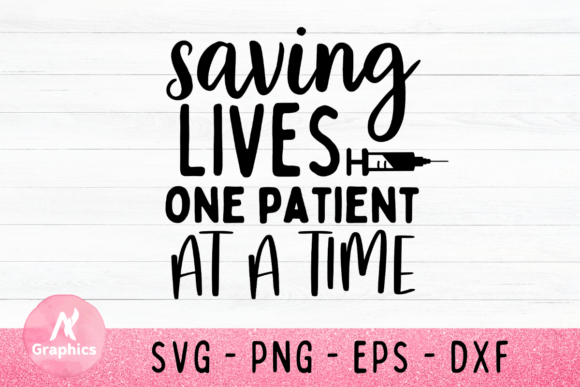
Whenever I open a new embroidery design, I think about how it will translate from the screen to the stitch. The Saving Lives, One Patient at a Time SVG landed on my desk while I was planning a batch of custom thank-you gifts for a local clinic. This isn’t just a graphic; it’s a theme, a sentiment, and a potential challenge for embroidery. Here’s my practical take on it from the viewpoint of a designer who makes things for real people.
First Impression: More Than Just a Text Design
The layout here is straightforward, which is a strength. The text is the hero. It’s a classic, profession-focused message that feels sincere rather than flashy. This is a design with a clear and dignified visual personality. It creates a mood of respect and recognition. For embroidery, that’s a good starting point—you want a design that carries its meaning clearly through thread.
For an embroidery project, this naturally belongs to items meant as gifts or wearable statements. It’s not casual decor; it’s purposeful. I immediately thought of embroidered tote bags for nursing students, patches for work jackets, or the centerpiece on a cozy sweatshirt for a proud nurse. The detail level appears manageable, but as we’ll discuss, that depends entirely on the size you choose.
Where This Design Thrives in Embroidery
Let’s talk real-life situations. I tested this concept by imagining it stitched onto a heavyweight cotton tote bag—a popular item for craft businesses and small shop merchandise. On a stable, medium-weight fabric like that, a well-digitized version of this text would look sharp. The letters would hold their shape with a satin stitch, creating a professional, handmade presentation.
This SVG design is also a natural fit for custom apparel meant as personalized gifts. A simple, left-chest embroidery on a polo shirt or a neat placement on a tea towel for a nurse’s kitchen would carry the sentiment beautifully. For small business owners and Etsy sellers creating holiday gifts or wedding gifts for medical professionals, this design taps into a specific, appreciative audience. Its clarity aids in buyer engagement; customers recognize the message instantly, which builds trust in your product’s appropriateness.
In terms of product value, embroidery adds a tangible, quality feel. Using this on a premium item, like a soft blanket or a detailed apron, elevates it from a simple graphic to a cherished keepsake. For boutique branding or craft fair products, offering this on a few well-chosen items—a cap, a pillow cover—can showcase your embroidery skills while serving a niche market.
Careful Application: Where to Pay Attention
Now for the practical warnings, born from experience. Text-based designs like Saving Lives, One Patient at a Time SVG require careful scaling. Tiny lettering is the enemy of stitching clarity. If you try to hoop this too small for a baby item or on the curved surface of a cap, those thin lines and detailed corners can become a blur of dense stitches or break apart. Always test on scrap fabric first.
Textured or stretchy fabrics, like some sweatshirt materials, can distort clean text. Using proper stabilizer is non-negotiable here. Dark fabric backgrounds demand high-contrast thread color choices—a white or bright satin stitch will pop, but a poorly chosen hue will lose the message. Also, consider stitch density. If the design file isn’t optimized, dense fill stitches in larger letters could make the fabric stiff, which is problematic for layered garments or items needing frequent washing.
For products like embroidered patches, where you might sell the finished item as a digital product preview or printable mockup, ensure the design’s proportions work for the patch size. Small hoop sizes can compromise the elegance of the phrase.
A Real Scenario: The Client Order Test
I pictured a recent order: a client wanted ten embroidered pillow covers as gifts for a nursing team. This design was a contender. My first step was to check the provided file formats and confirm the licensing for commercial embroidery projects. Since details on exact stitch count or machine compatibility weren’t provided in the description, I would need to verify those in my software before proceeding. The key was to run a test stitch, inspect the small details of the lettering, and compare how it looked on both light and dark fabric backgrounds in a mockup. This pre-work separates a successful project from a frustrating one.
The Impact on Your Craft Business
From a business perspective, using a clear, respectful design like this affects more than just the stitch. It enhances your brand consistency if you specialize in appreciation-themed products. It increases the giftability of your items—they feel considered and specific. For digital product sellers offering this as part of their design assets, its straightforward nature makes it a reliable choice for other crafters.
However, professionalism comes from your application. A beautifully embroidered version of this on a high-quality tote bag speaks volumes about your attention to detail. A rushed, poorly-scaled version on a thin t-shirt could undermine that. Your execution determines the design’s final power.
Practical Designer Notes Before You Hoop
- Always, always test the embroidery file on a scrap of your intended project fabric first.
- Check thread color contrast against your fabric. Do a black and white mockup to see value contrast if you’re unsure.
- Review the stitch density in your editing software. Adjust if needed for delicate fabrics.
- Confirm your hoop size can accommodate the design at a scale where lettering remains crisp.
- Use appropriate stabilizer for your fabric type—text needs stability.
- Clearly understand the licensing. Can you sell the finished product? Is it for personal and commercial projects? Don’t assume.
- For textured fabrics like towels or blankets, consider a slightly larger scale to maintain clarity.
- Remember, the best embroidery project matches a great design with thoughtful, skilled application.
The Saving Lives, One Patient at a Time SVG has solid potential. It’s a meaningful graphic that, when embroidered with care onto the right product, becomes a durable token of recognition. For makers, apparel decorators, and creative entrepreneurs, it’s a design that serves a real need, not just a trend. Your job is to give it the thread and fabric it deserves.