From Digital File to Embroidered Reality: A Designer's Take on Nurse Dad
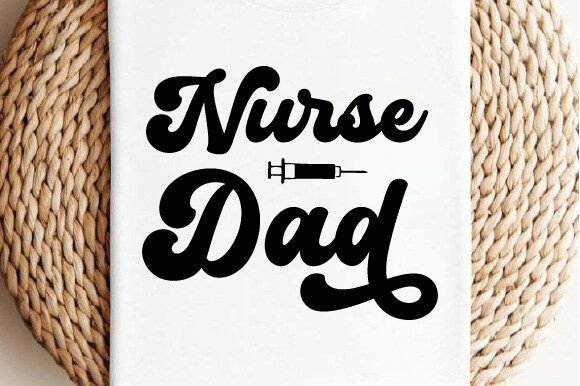
Whenever a new digital design lands in my library, I don't just look at it on the screen. I immediately picture it stitched out—how the threads will lay, what the texture will feel like, and where it would genuinely belong in the real world. That’s the lens I’m using today with the Nurse Dad design. As a graphics file intended for cutting and sublimation, its translation into machine embroidery requires a practical eye. Let’s walk through what that looks like.
The First Impression: Warm, Clear, and Built for Recognition
At first glance, the Nurse Dad design strikes a specific mood. It’s celebratory and proudly professional. The concept is clear: honoring a father in the nursing profession. For an embroidery designer, this means assessing its visual personality for stitch translation. The layout likely centers on clear typography and symbolic elements—a badge, a heart, perhaps a stethoscope. These are components that, when embroidered, need to maintain their integrity. The detail level feels tailored for a statement piece, not a subtle accent. It naturally belongs on projects meant for display: a custom sweatshirt for a nurse’s family, an embroidered tote bag for hospital shifts, or a personalized pillow cover for a dad’s office.
Where This Design Thrives in Real Projects
I’m imagining a real scenario: a client requests a custom gift for a nurse celebrating both his profession and new parenthood. The Nurse Dad design comes to mind. Here’s where I see it performing beautifully.
On sturdy, stable fabrics like canvas tote bags or heavyweight cotton sweatshirts, the design would hold crisp definition. The likely bold outlines and filled areas translate well to satin stitch or fill stitch, creating a rich, tactile feel that elevates a simple product. For a baby item, like a keepsake blanket or a baby bodysuit, scaling it appropriately and using soft thread on a gentle fabric could make a heartfelt personalized gift. As an embroidered patch, it could be applied to caps or aprons, offering versatility. For small business merchandise—think an Etsy seller specializing in healthcare-themed gifts—this design becomes a core design asset for a line of custom apparel.
The appeal here is about connection. A finished product with this embroidery isn’t just decorative; it tells a story. That enhances perceived value, fosters customer trust in your handmade product quality, and boosts giftability immensely. For a creative entrepreneur, it’s a design that buyers emotionally engage with.
Potential Pitfalls and Where to Use Caution
Not every project is ideal. My practical judgment flags a few areas for careful handling. If the design contains very tiny lettering or intricate details, these might lose clarity on textured fabrics like knit sweaters or on small hoop sizes. Stitching onto thin or stretchy fabric without the correct stabilizer could lead to puckering or distortion, especially if the design has dense stitch areas.
Dark fabric backgrounds require thoughtful thread color contrast planning; a digital preview might not reveal how certain hues pop on black. Embroidering on curved surfaces like caps demands testing to ensure the design’s layout fits the contour without awkward gaps. And for products destined for frequent washing—like kitchen towels or daily-worn t-shirts—stitch density and stability become crucial for longevity.
Translating Graphics to Stitched Success: Designer Notes
My process before committing to a project always involves practical checks. With a design like this, I’d strongly advise a few steps.
- Test on Scrap First: Always stitch a sample on a scrap of your intended project fabric. This reveals actual stitch density, thread behavior, and detail clarity.
- Check Contrast: Review the design in black and white mockups to understand light/dark balance. Plan your thread palette for both light and dark fabric backgrounds.
- Inspect the Details: Zoom in on the digital file. Are there corners too sharp for clean stitching? Are any lines too fine? Adjust accordingly before hooping.
- Confirm the Foundations: Use the proper stabilizer for your fabric type. Confirm your hoop size can accommodate the design at your desired scale without compromising registration.
- Understand the License: Since this is an instant download file, clarify its licensing before selling finished items or digital products. Is it for personal use only, or does it allow commercial use for your craft business? This is essential for Etsy sellers and small shop owners.
Remember, a graphics file’s compatibility with cutting machines is stated, but its journey to an embroidery file requires your designer intervention. You might need to adapt, simplify, or optimize elements for the needle and thread.
The Final Verdict: A Design with Purpose
The Nurse Dad design, from a professional embroidery standpoint, is less about generic decoration and more about targeted celebration. Its value lies in its specific audience and clear sentiment. For embroidery designers and makers, it represents an opportunity to create products with deep personal resonance—a high-value embroidered patch for a father’s work bag, a custom-apparel gift for a healthcare hero, or a boutique product for a niche market.
Its success in your embroidery project hinges on your practical preparation. By testing, adapting to fabric, and ensuring professional finish, you transform a digital graphic into a tangible, cherished finished product. That translation is where your skill turns a good design into a great real-world item.