A Professional Review of the In My Merry Nurse Era Embroidery Design
The First Impression: A Design That’s Warm and Professionally Playful
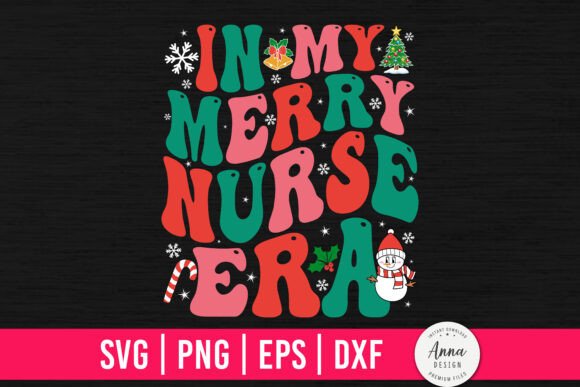
When I first opened the In My Merry Nurse Era embroidery file, my immediate thought was, “This has personality.” It isn’t a generic medical logo or a stern proclamation. The layout and theme feel celebratory and proud, creating a mood that’s both warm and confident. For an embroidery designer, that’s a valuable starting point. The visual personality suggests it’s meant for someone who loves their profession and wants to express that joy in a wearable or usable form. It naturally belongs to projects for recognition, gratitude, or personal pride—not just official uniforms.
Where This Design Finds Its Perfect Home in Real Projects
In practical use, In My Merry Nurse Era shines on items meant for personal connection. I envision it embroidered on a cozy sweatshirt for a nurse after a long shift, or as a heartfelt gift on a custom tote bag they’ll carry every day. It would be perfect for a personalized pillow cover in a nurse’s lounge or a decorative tea towel in a healthcare worker’s kitchen. For small business owners and Etsy sellers targeting the nursing community or families wanting to create gifts, this design adds a layer of meaningful customization. It transitions well from digital product previews to finished, tactile handmade products.
Thinking of commercial embroidery or boutique merchandise, the design could anchor a line of appreciation gifts—embroidered patches for backpacks, caps for nursing school graduates, or even subtle decor on blankets. Its appeal is in its specificity and cheerful tone, which builds customer trust and engagement because it feels made for them. The giftability is high, and the professionalism of a clean embroidery execution would elevate any craft business product.
A Real Scenario: Crafting an Embroidered Tote for a Nursing Graduate
Let’s walk through a real case. Imagine preparing a custom embroidered tote bag as a graduation gift. You select a sturdy canvas. The In My Merry Nurse Era design, with its likely mix of lettering and decorative elements, needs to be scaled appropriately. You consider stitch density: a denser fill stitch in the main elements would give it substance on the bag, while running stitches for finer details might need adjustment. You’re thinking about how it will look after stitching—will the lettering remain clear? Will the overall composition feel balanced when stitched onto a textured fabric? A successful outcome here means the design isn’t just transferred; it’s translated into a durable, beautiful object that tells a story.
Considerations for Successful Stitching
This is where practical design judgment comes in. While the product description notes it’s a digital file for cutting machines, for embroidery adaptation, certain aspects require attention. The design should be used carefully on small hoop sizes if the details are intricate. Tiny lettering might become lost or blurry if not tested first. On stretchy fabrics like t-shirts, stabilizer choice is paramount to prevent distortion. Dark fabric backgrounds demand thoughtful thread color contrast—a test on scrap fabric is non-negotiable.
Textured fabrics like sweaters or curved surfaces like caps can challenge the clarity of the design’s shapes. You must inspect how small details and corners will translate into satin stitches or fill stitches. For products needing frequent washing, such as baby clothes or aprons, the stitch density and thread security must be robust. A design like this loses its charm if threads snag or details fade after a few washes. Always compare how it looks in digital mockups against a stitched sample on both light and dark backgrounds.
How the Design Impacts Your Work and Your Client’s Experience
From a designer’s point of view, In My Merry Nurse Era affects more than just the stitch. It influences the perceived value of the finished product. A clean, crisp embroidery of this design on a sweatshirt elevates it from a simple garment to a personalized piece of apparel decor. For an Etsy seller, that translates to better presentation in listings and potentially higher engagement. It aids brand consistency if you’re a maker focused on celebratory or professional themes.
The stitching clarity directly impacts customer satisfaction. A well-executed piece feels professional and trustworthy, encouraging repeat business or referrals. The handmade presentation becomes polished, not amateurish. For digital product sellers offering the file itself, its usability for both personal and commercial projects is a key point—though one must always confirm the specific licensing terms provided with the file before selling finished items.
Practical Notes From the Embroidery Hoop
Before you commit this design to a client’s project or your own merchandise, here are my grounded notes:
- Test First, Always. Run the design on scrap fabric of the same type and texture as your final product.
- Contrast is Key. Review your thread color palette against the final fabric background. Don’t assume digital colors translate perfectly.
- Mind the Density. For machine embroidery, adapt the stitch density if needed to suit your fabric—too dense can puckering, too light can look frail.
- Confirm the Scale. Ensure your chosen hoop size can accommodate the design at the size you want without compromising detail.
- Inspect the Details. Look closely at any small elements in the file. Will they hold up as stitches?
- Stabilizer Strategy. Match your stabilizer to the fabric and the design’s complexity.
- Licensing Check. Verify the included license if you plan to sell the embroidered products commercially or use the file as a design asset in your business.
The Final Verdict: A Design With Purpose and Potential
In My Merry Nurse Era is more than a graphic; it’s a concept waiting for thread. Its strength lies in its targeted, joyful message. For embroidery designers and makers, it offers a clear path to products that resonate deeply—personalized gifts, small shop merchandise, custom apparel that celebrates a profession. The practical journey from digital file to finished product requires the usual diligence: testing, scaling, and material matching. But when executed with care, this design has the potential to stitch not just a pattern, but a feeling of appreciation and pride into your next embroidery project.