A Practical Review of the Nurse Needs Bourbon Embroidery Design
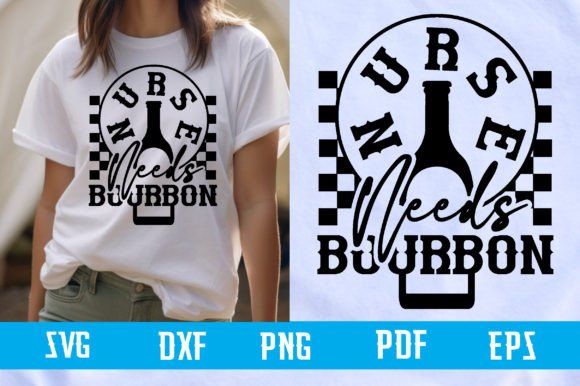
From a designer’s perspective, an embroidery file isn’t just a digital graphic; it’s a blueprint for a finished, tactile product. When evaluating the Nurse Needs Bourbon SVG design for real project use, the first thing that strikes me is its clear, playful personality. It’s not overly complex, which is a huge advantage for embroidery. The layout suggests a straightforward, bold statement that will translate beautifully into stitches.
The Mood and Immediate Project Fit
The theme immediately conjures a sense of lighthearted, relatable humor. It’s perfect for creating gifts or merchandise with a personal touch. The wording and likely accompanying graphic elements (based on the title) feel designed for a single, impactful focal point. This design naturally belongs on items meant as a personal reward, a cheeky gift for a colleague, or a fun product for a small shop catering to healthcare workers or those who appreciate that world.
In a real-life scenario, I’d envision using this for a custom embroidered sweatshirt or a tote bag for a nurse friend. It’s the kind of design that gets a smile and feels like a genuine, understanding gift, not a generic product. For a small business owner, this could become a steady seller as an embroidered patch or on simple custom apparel like t-shirts or aprons.
Where This Design Performs Brilliantly
Given its likely bold, clean lines, the Nurse Needs Bourbon embroidery design would perform very well on stable, medium-weight fabrics. Think cotton tote bags, canvas aprons, or sturdy pillow covers. These surfaces allow the design to sit flat, and the stitches will hold their definition. On a heavyweight sweatshirt, using proper stabilizer, it would make a fantastic, durable gift item.
For baby clothes or nursery decor, I’d advise caution unless it’s a very simplified version—the humor is more adult-oriented. However, as a holiday gift like a themed kitchen towel or a fun cap for a nurse, it’s ideal. The visual appeal lies in its straightforward messaging; stitching clarity should be high if the file is well-digitized, making the finished product look professional and valuable.
Considerations for Stitching and Commercial Use
This is where practical judgment comes in. The mention of “Word By Layer” in the description is crucial. It implies the design might have text elements separated, which can be a blessing for embroidery. It allows you to potentially adjust colors or placement, but it also means you need to inspect the small details in each layer before stitching.
Always, always test the design on scrap fabric first. Check the stitch density, especially if there are any filled areas. Too dense stitching on a lightweight t-shirt can cause puckering. Review how small lettering translates; tiny script can become blurry in embroidery. Compare how it looks on both light and dark fabric backgrounds in a mockup; thread color contrast is everything. For dark fabrics, you might need a lighter underlay or specific thread choices to keep the design popping.
Where to Exercise More Care
I would use this design carefully on very stretchy fabric or thin polos without excellent stabilizer. The design’s stability matters. Also, on curved surfaces like caps, the layout needs to be checked for distortion—a simpler, centralized version would work best. For products that need frequent washing, like tea towels, ensure you’re using high-quality thread and a secure stitch type so the humor lasts as long as the item.
For Etsy sellers or craft business owners, this design can enhance customer trust by showing you understand a specific niche. A well-embroidered “Nurse Needs Bourbon” tote bag feels handmade and thoughtful, increasing its giftability. It supports brand consistency if your shop focuses on witty, profession-themed items.
Essential Designer Notes Before You Hoop
Since the product description notes it’s a digital download only with an SVG file, remember that SVG files need to be properly converted or used within your embroidery software. Confirm the compatibility with your machine. Crucially, confirm licensing before selling finished items. The description provided doesn’t specify license terms, so you must check the original listing or contact the seller to understand if it’s for personal use, commercial use, or both. This is a non-negotiable step for any commercial embroidery project.
Use proper stabilizer for the chosen fabric. For a textured fabric like a sweater, a cut-away stabilizer might be needed to keep the design crisp. When planning the product, think about the end-user. An embroidered patch allows versatility; someone can add it to their own bag or jacket. A finished embroidered patch also makes for a great, lower-cost item for craft fairs.
Finally, consider the presentation. A clean, well-executed stitch of this design on a simple mockup can drive buyer engagement. It shows the final product’s potential without hype. In my experience, designs with clear, relatable themes like this, when embroidered neatly, sell themselves because they connect personally. They don’t need exaggerated claims; they just need to be made well.
Turning a Digital File into a Loved Finished Product
The journey from downloading the Nurse Needs Bourbon SVG design to holding a finished embroidered pillow or bag is all about practical steps. Its strength is its direct theme, which minimizes production guesswork. Your job as the maker is to ensure the technical execution honors that clarity. Choose the right fabric, the right thread colors, and the right product format. Test it. Then, stitch it with confidence. The result will be a product that feels authentic, and in the world of handmade products and personalized gifts, that authenticity is everything.