A Designer's Review of the In My OB Nurse Era Embroidery File
When a new embroidery design lands on my screen, my first instinct is to picture it stitched onto something real. I'm not just looking at vectors; I'm imagining threads, fabric, and the final product in a customer's hands. So, let’s talk about the In My OB Nurse Era file from that practical standpoint. This isn't a hype review—it's a working designer's evaluation of how this graphic translates from digital file to tangible, sellable, or giftable embroidery.
The Immediate Mood and Design Personality
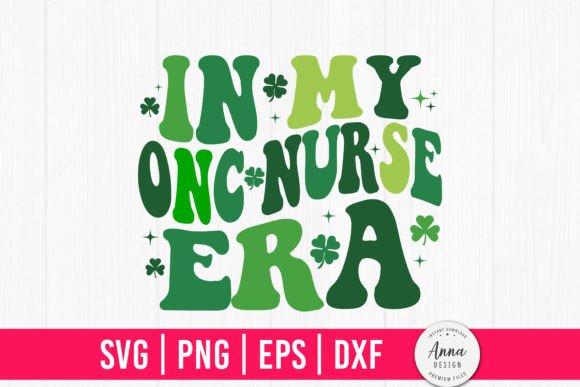
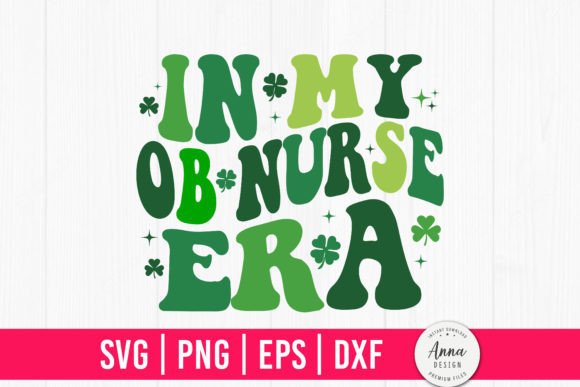
Right away, In My OB Nurse Era has a modern, celebratory, and personal feel. The phrasing taps into a current cultural moment, making it instantly relatable for a specific, passionate group: OB nurses. The visual layout, from what I can assess in its digital form, suggests clean lines and a composition that balances text with potential decorative elements. This isn't a overly complex, dense graphic; it feels like it's meant to be a clear, wearable statement. The mood is proud, personal, and a bit fun—perfect for a custom gift or a self-purchased item that declares professional pride. It naturally belongs on apparel, accessories, or items meant for personal use or gifting within the nursing community.
Where This Design Shines in Real Projects
Imagine you’re preparing a custom embroidered sweatshirt for an OB nurse friend as a holiday gift, or you’re a small shop owner creating a line of nurse-themed tote bags for a craft fair. In My OB Nurse Era is ideal for these scenarios. Its likely clean typography and straightforward design mean it will stitch out with good clarity on medium to large areas.
For custom apparel like t-shirts, polo shirts, or sweatshirts, this design acts as a bold, personal statement. On a tote bag or apron, it becomes a professional yet personalized accessory. As an embroidered patch, it could be applied to caps, bags, or even nursery decor items for a nurse's own space. For baby clothes or blankets as a gift from an OB nurse to a new parent, it adds a wonderfully personal touch. The theme drives high giftability and recognition. In a craft business context, stocking items with this embroidery could attract a very dedicated niche customer, building customer trust through relatable, professional-looking handmade products.
Thinking Through Stitching and Presentation
In execution, the success of any embroidery file hinges on detail handling. For a design like this, pay close attention to any small lettering or intricate corners. On curved surfaces like caps, the layout must be tested for distortion. For dark fabric, thread color contrast is critical—bright, opaque threads will make the statement pop. Using proper stabilizer is non-negotiable, especially on stretchy fabric or thin fabric like some t-shirts, to prevent puckering and maintain the design's clean personality.
The stitch density should be appropriate for the item's use. A satin stitch for text might look elegant, but on a frequently washed kitchen towel or baby item, durability considerations come into play. A running stitch or fill stitch approach might be more robust. Always test the design on scrap fabric first, mimicking the final project's material. This reveals how fabric texture interacts with the design and ensures stitching clarity.
Areas for Careful Consideration
While versatile, some applications require extra thought. In very small hoop sizes, any detailed elements might lose definition, reducing the visual appeal. On heavily textured fabrics like some blankets, the design might not lay as crisply. If the design contains particularly dense areas, they could feel stiff on lightweight garments. The key is to match the design's scale and detail level to the product's purpose and fabric.
For commercial embroidery projects or selling finished items in your Etsy listings, always confirm licensing before proceeding. The product description indicates it's a digital file for cutting machines, so for machine embroidery, you would need to ensure conversion and usage are permitted for your intended commercial use. This protects your craft business and maintains professionalism.
Boosting Product Value and Buyer Engagement
Using a well-executed In My OB Nurse Era embroidery on a product elevates its perceived value. It transforms a plain tote bag into a personalized professional accessory. It makes a generic sweatshirt into a meaningful gift. For the buyer engagement, especially in small shop merchandise or boutique branding, it shows you understand your audience's identity. That connection is powerful.
To maximize this, present the design well. Use printable mockups or, better yet, photos of actual finished products on your intended items—a stitched sample on a dark and light background showcases versatility. This builds brand consistency and helps customers visualize the item in their lives.
Final Practical Notes for Makers
Before you load this digital embroidery file into your machine, do your homework. Since specifics like exact hoop size requirements or stitch count aren't provided in the basic description, you'll need to determine those through your software and testing. Check thread color contrast in your chosen palette. Inspect small details in the file before stitching. Test it in black and white mockups to see how it holds up without color reliance.
Remember, the goal is a beautiful, durable, and appropriate embroidered product. Whether you're creating a personalized gift, adding to your Etsy seller inventory, or producing custom apparel for clients, approaching the In My OB Nurse Era design with this practical, realistic mindset will ensure your final project looks professional, feels meaningful, and stands up to real-world use and admiration.